

Friday was a day I’d been looking forward to for weeks. I absolutely love The Great Pottery Throw Down – it’s probably my favourite programme on television – and at long last I was heading to Gladstone Pottery Museum, where the series is filmed, to have a go on one of those famous potter’s wheels myself.
The adventure had actually begun the evening before. My wonderful friend Claire had offered to put me up for the night because it’s quite a drive down to Staffordshire. She welcomed me with a cheeky G&T in her beautiful summer house, cooked me tea and simply gave me the gift of hospitality. I don’t think she realised quite how much that simple welcome meant to me. After months of caring responsibilities, it felt like I could finally exhale.
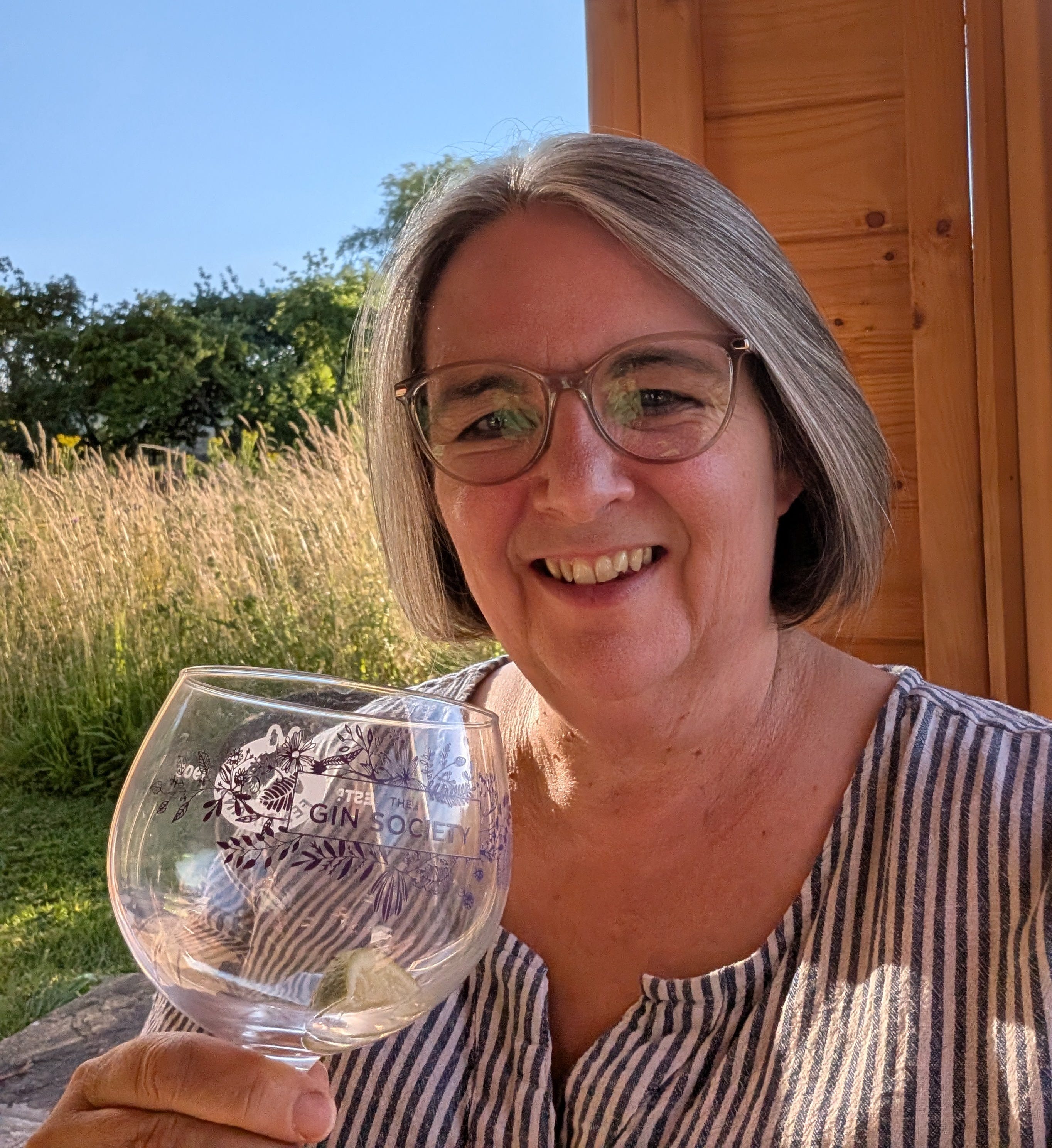
Looking back now, I wonder whether that simple act of being cared for prepared my heart to notice what the clay would teach me the following day.
The next morning I arrived just in time for my pottery lesson, full of excitement and already imagining the beautiful pot I was going to make.
What surprised me was that we didn’t begin by making a pot at all.
Instead, we spent a long time simply preparing the clay.
The instructor had me coning it up, pressing it down, coning it up again and pressing it down again. It took far more pressure than I’d expected. Before I could create anything useful, the clay had to be centred and prepared.
She explained that all that squashing had a purpose. It removed hidden air pockets, made the clay consistent and prepared it for the kiln. Without that process, the pot could crack or even explode during firing.
The pressure wasn’t ruining the clay.
It was preparing it.
As I sat there with my hands covered in clay, I couldn’t help wondering whether life is sometimes a little like that.
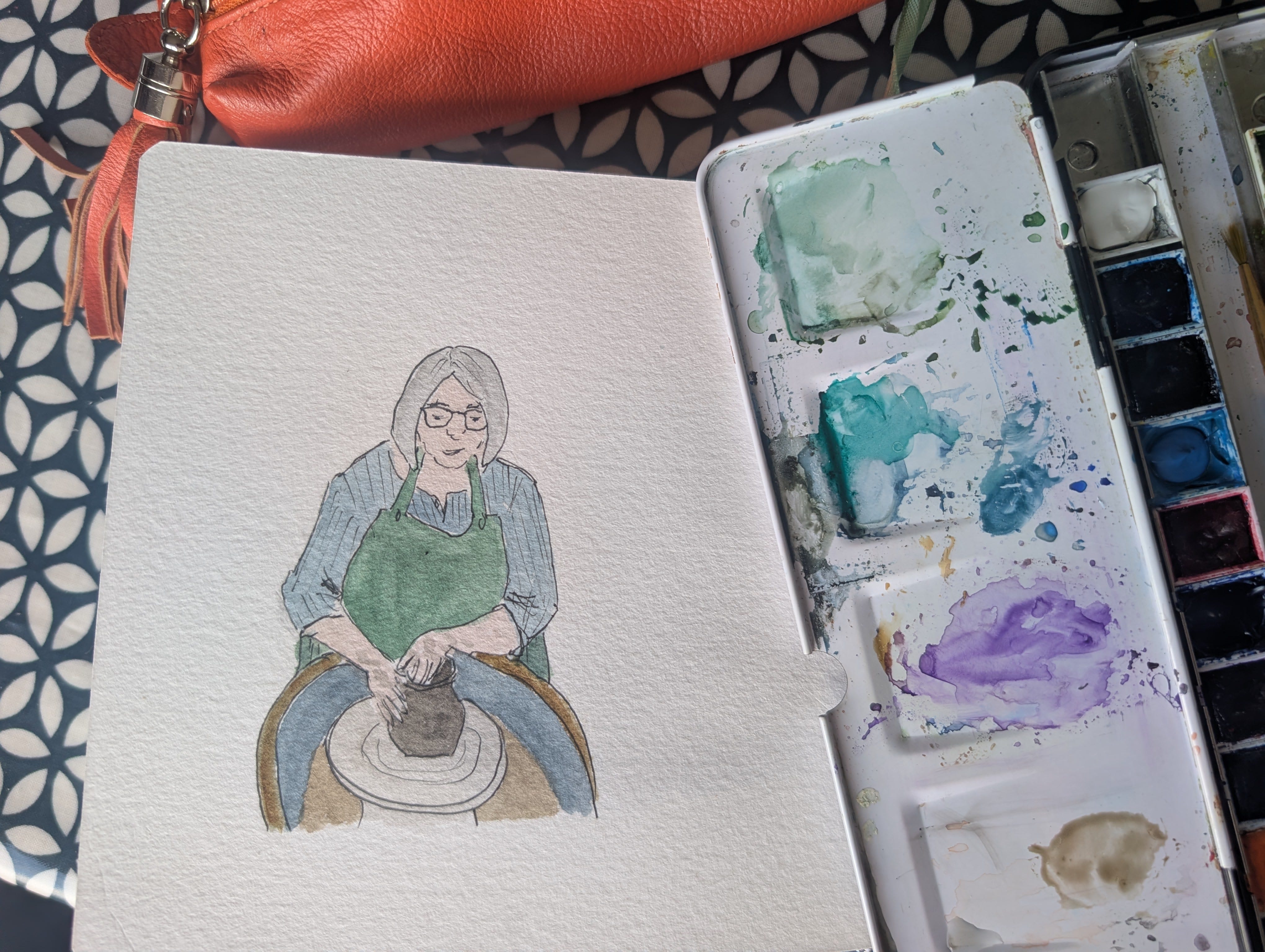
For me, the pressure of recent years hasn’t created people-pleasing or unrealistic expectations. Those things were already there. The pressure has simply revealed them.
Looking back, I realise I’ve been shaped by many things: therapy, good books, painful experiences, deep friendships and my faith. None of them on their own, but together. Whether we realise it or not, we’re all being shaped.
Perhaps the question isn’t whether we’re being shaped.
Perhaps it’s what we’re allowing to shape us.
As those thoughts settled, I found myself thinking again about Claire, and about newer friends I’ve met through therapy groups. Their kindness, conversations and hospitality have shaped me too. Not just the difficult things. Sometimes the gentlest influences leave the deepest mark.
My own faith adds another layer to all of this. The Bible often pictures God as a potter and people as clay. I don’t pretend to understand every difficult season I’ve lived through, and I certainly don’t believe that every painful experience comes neatly wrapped with a lesson or a silver lining. But I do believe that our hardest experiences don’t have to be wasted. Somehow, they can become part of the shaping.
As I looked at the little pot I’d made, another thought quietly emerged.
The kiln was never the pot’s purpose.
Its real purpose begins afterwards.
A pot isn’t made just to exist.
It’s made to hold something.
Looking back over my own life, there are still chapters I would never choose to relive. There are pages I’m very happy to have turned.
Yet those experiences have also increased my capacity.
A greater capacity for compassion.
For patience.
For hope.
To receive kindness.
And, I hope, to offer it in return.
My friend had quietly modelled exactly what I’d been learning all day.
Her life had the capacity to hold me.
As I drove home, ridiculously pleased with my slightly wonky little pot, it struck me that the clay hadn’t been pressed simply so it could survive the firing.
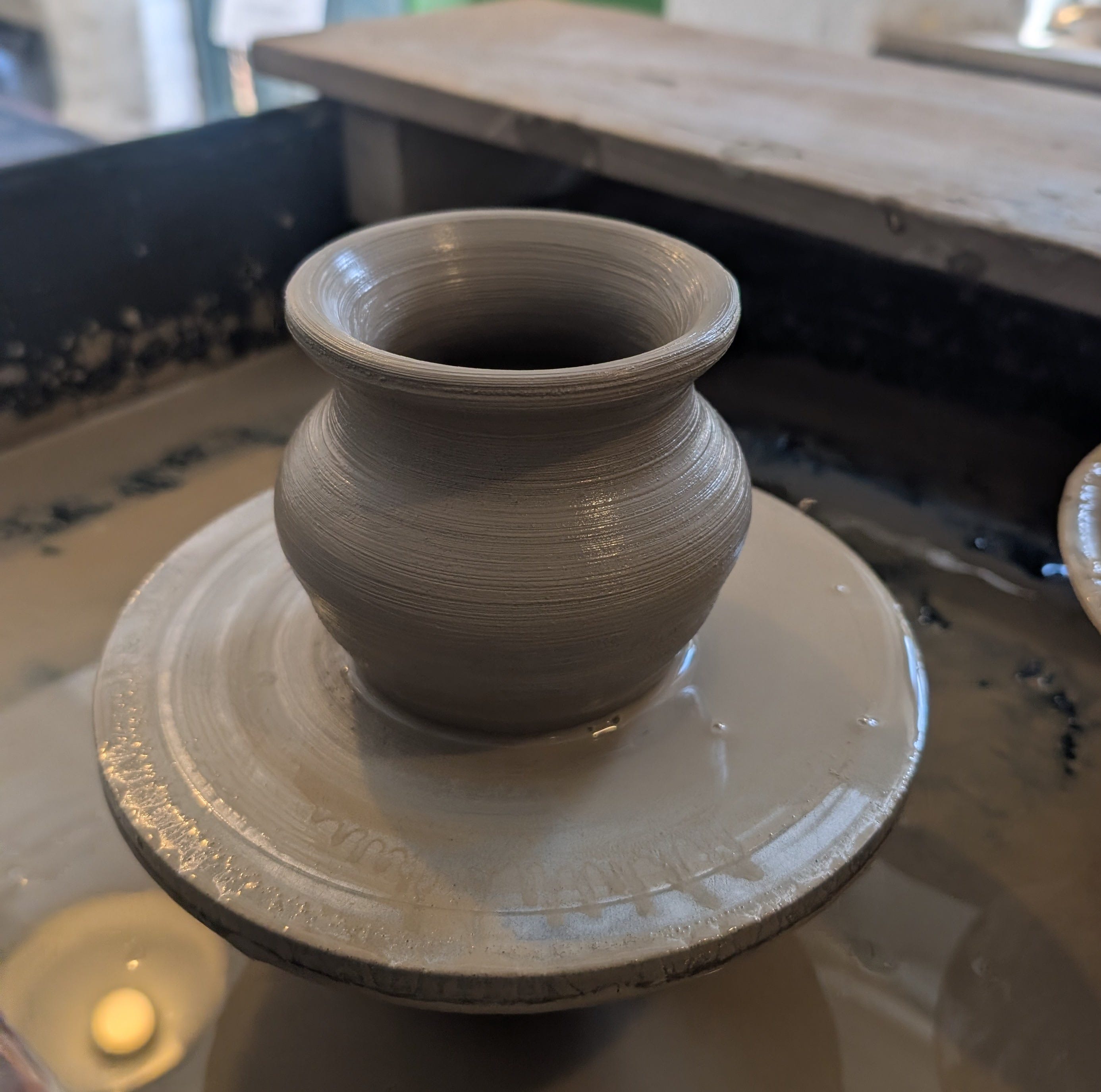
It had been shaped so that one day it could hold something life-giving.
Maybe that’s true of us too.
Perhaps all this shaping isn’t simply making us stronger.
Perhaps, little by little, it’s increasing our capacity to hold hope, kindness, wisdom, joy and compassion...
...so that when someone arrives at our door needing shelter, needing kindness, needing someone simply to hold them for a while, we’ll have something life-giving to offer.
Beautiful musings and a lovely piece of pottery!
I can picture you both in the summerhouse - precious times with God-given friends. Thanks for sharing your reflections. They resonate deeply x